Camping in summer is one of the best ways to take a break and clear your head. Whether you’re heading to a national park, a beach campsite, or a quiet bush spot just outside Sydney, being in nature can make you feel grounded and refreshed. But while going off-grid sounds fun, being completely cut off from your devices can turn frustrating fast, especially if you rely on your phone for maps, lights, or photos.
That’s where powerbanks come in. They’re handy for keeping your stuff charged, but not every one works well in outdoor spots. Some are too bulky, too weak, or just not built to handle rough conditions. We are based in Sydney and have been creating mobile charging accessories since 2016. We focus on portable gear that suits everyday travel and outdoor use. Choosing a powerbank that suits your plans can save you a lot of trouble once you’re out there and nowhere near a power point.
What to Look for in a Camping-Ready Power Bank
When you’re relying on a powerbank away from home, you want something that actually gets the job done. For camping, it needs to charge more than once and put up with weather, dirt, and being thrown around in a bag.
Here are a few features to check before picking one:
• Go for higher capacity if you’re staying far from civilisation. Something in the 20,000 mAh range or more is better for weekend trips or longer bush adventures.
• Look for ones with a strong outer shell. Drops, water, and dust are all part of camping. Charging gear that survives getting knocked about is easier to trust.
• Check the ports. You want stable ones that hold steady while you move about. Weak or wobbly ports make charging more effort than it’s worth, especially in a tent at night.
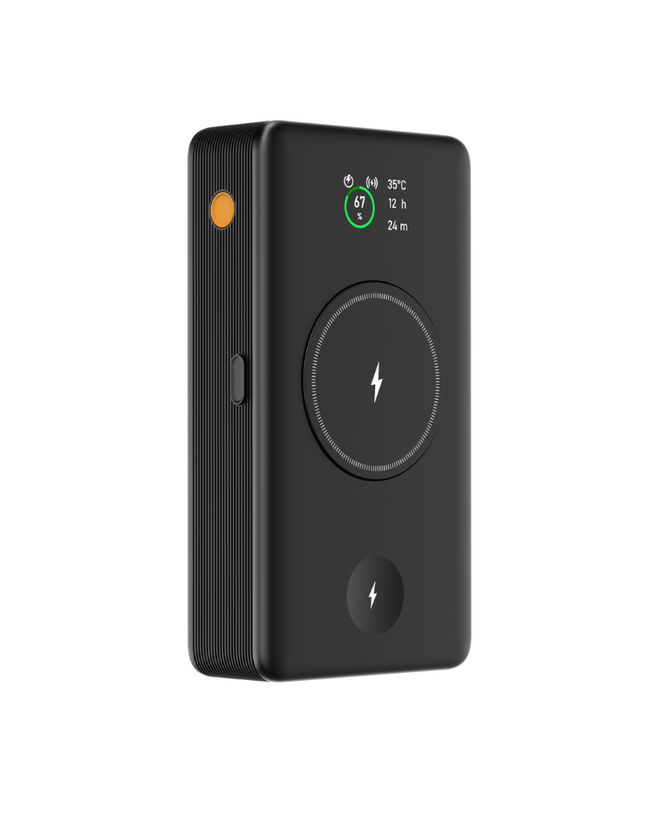
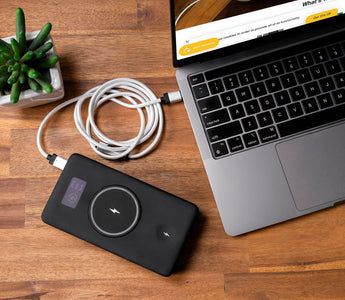
A decent powerbank doesn’t need to be fancy. It just needs to work when you need it most. For longer trips, a higher capacity model such as our Flash Pro Plus, which has a 25,000 mAh battery and 100W USB-C fast charging, gives you enough backup to top up laptops and phones multiple times between stops.
Charging Options When You’re Off-Grid
One common concern while camping is what happens when your gear runs flat and there’s no plug in sight. Getting stuck without charge can be scary, especially if it’s your only torch or your phone’s tracking your route.
Here are a few options that help you stay ready, even when you're bush:
• Some campsites let you charge by car. Bring a good in-car USB-C plug and top up while driving between spots.
• Solar panels that connect to your powerbank can be useful if you’re away from your car and under full sun most of the day.
• Fast charging before you leave works well too. Make sure the bank fills up quick at home, so you don’t wait hours before packing.
We always double-check which way we can top up the powerbank while camping. It takes one less thing off your mind once you set up the tent and start to relax.
Size and Weight Matter When You’re Carrying Everything
No one wants to lug around gear that feels like a brick, especially when walking to a site from your car or on a hiking trail. Heavier powerbanks may offer more charges, but they can slow you down or take up precious pack space.
Think about what you actually need to charge. If you're just bringing a phone and a headlamp, a medium-size bank is usually enough. But if you want to keep a speaker, camera, and tablet going, it might be worth that extra weight.
Here are a few trade-offs to keep in mind:
• Smaller banks are easier to carry, but will need recharging more often.
• Larger ones last longer but can be bulky and heavy.
• Some models come with built-in cables or torches, which saves space in your pack.
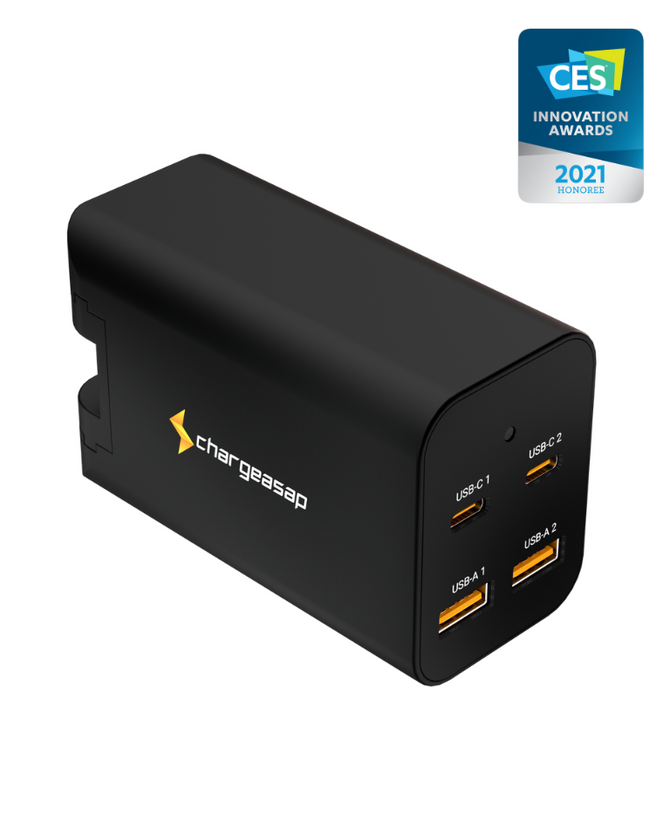
Some high-capacity banks pack in more flexibility. Our Flash Pro Plus, for example, includes three USB-C ports and a USB-A port, so you can charge up to six devices at once when you are sharing gear with friends or family at the campsite.
Just like packing food or clothes, balancing your gear makes time outdoors feel less hassle and more fun.
Keep Things Safe While Camping
Once you’ve got a good charging setup, the next step is keeping it in one piece during the trip. Campgrounds around Sydney can get hot in summer, and any tech left out too long might start to overheat.
To avoid trouble, we follow a few basic tips:
• Keep your powerbank out of direct sun during the day when not in use. A shaded tent pocket or inside a cooler bag (not with ice, just safe spots) can help.
• Don’t leave it right near the campfire or inside a car with the windows up.
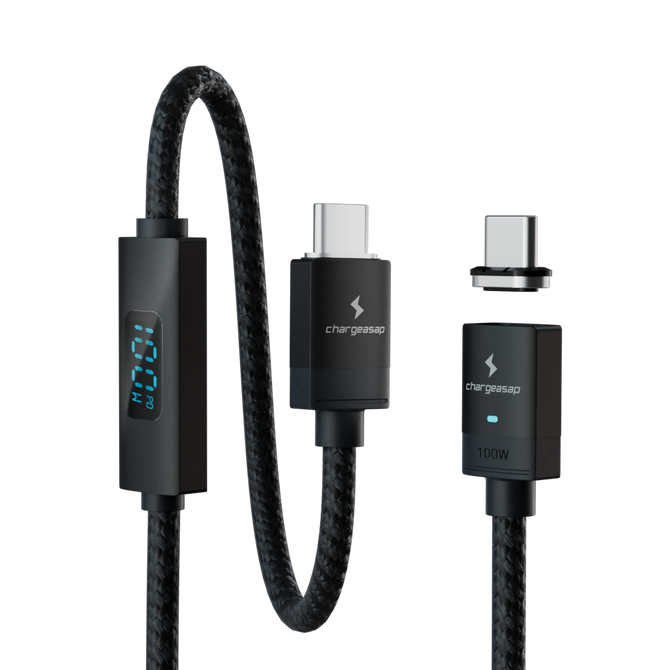
• Always check your cables for damage before heading out. A dodgy cable could stop working just when you need it.
Gear that stays in good shape through one trip will probably hold up much better in the next.
Choose With Confidence and Enjoy the Outdoors
Picking the right powerbank isn’t about getting the biggest or newest. It’s about matching what you pick to the kind of trip you’re planning. A good one helps you stay connected without being tied to a power outlet.
Before heading off, take a moment to double-check your charging gear. Make sure it fits with what you’re carrying and how long you’ll be away. A bit of planning makes life easier once you set foot off the beaten path.
We always say it’s better to get it right before you leave instead of learning the hard way halfway through the weekend. When you’ve got a reliable way to keep your gear going, it lets you focus on enjoying those early mornings, quiet nights, and everything in between.
Planning a summer escape near Sydney and wanting to stay prepared without overpacking can make all the difference. At Chargeasap, we have built our range to suit everyday needs from bush walks to beachside camps. For those wanting something reliable on the road, our selection of powerbanks is made with practical use in mind and designed to keep your essentials powered even when you're off-grid. Contact us if you have questions or need help choosing one that fits your trip.