When the power goes out, most people reach for a torch. The smart ones also reach for a power bank.
Whether it is a planned outage, a storm, a grid fault, or simply an unpredictable situation, having a high-capacity power bank at home is one of the most practical things you can do to stay connected and functional when the electricity disappears. This guide covers what to look for in an emergency power bank, how much capacity you actually need, and the best options available in 2026.
What Makes a Power Bank Good for Power Outages?
Not all power banks are created equal, and the features that matter for everyday travel are not always the same ones that matter when you genuinely need backup power at home. Here is what to prioritise.
Capacity (mAh) is the most important factor. For a genuine emergency — where you might need to keep multiple devices running for 12–24 hours without access to a wall outlet — you need at least 20,000mAh. Smaller power banks (5,000–10,000mAh) are fine for topping up a phone on the go, but they will not get you through a serious outage.
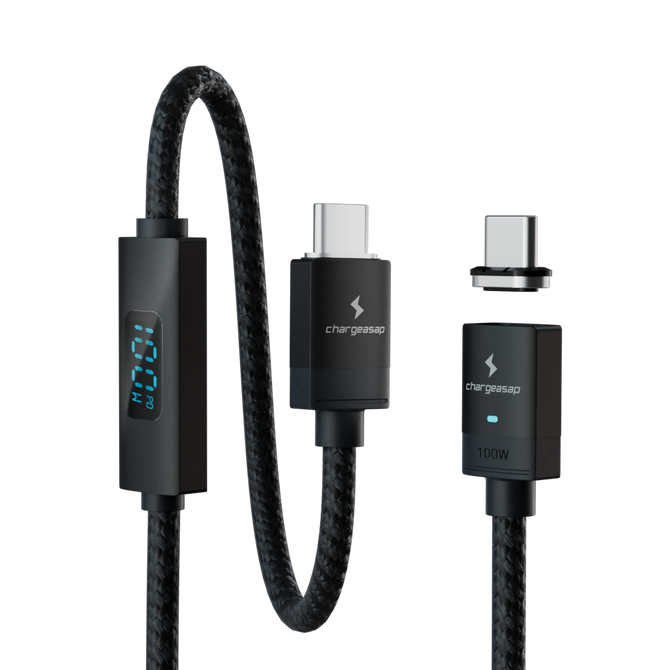
Output wattage determines how fast your devices charge and whether a power bank can charge a laptop at all. Many budget power banks max out at 18W or 30W, which is not enough to charge a MacBook at full speed. For a power bank that can genuinely replace your wall charger during an outage, look for at least 65W output on a single port, and 100W or more if you want to charge a MacBook Pro.
Number of ports matters when you need to charge multiple devices simultaneously. A power bank with only one USB-C port will force you to prioritise. Look for at least two USB-C ports plus a USB-A port to cover phones, tablets, laptops, and older accessories.
Battery technology affects both performance and longevity. Standard lithium-ion batteries degrade over time and can lose significant capacity after 300–500 charge cycles. Graphene batteries, used in premium power banks, maintain their capacity for significantly longer and charge faster — both critical factors for a device you want to rely on in an emergency.
Self-discharge rate is often overlooked. A power bank that loses 20–30% of its charge just sitting in a drawer is not reliable for emergency use. Graphene batteries have a notably lower self-discharge rate than standard lithium, meaning a power bank stored at home will still be near full capacity when you actually need it.
How Much Capacity Do You Actually Need?
Here is a practical breakdown of how far common capacity levels will get you during a power outage.
|
Capacity
|
iPhone 15 Pro
|
MacBook Air M2
|
iPad Pro
|
Typical Use Case
|
|
10,000mAh
|
~2 full charges
|
~0.3 charges
|
~0.8 charges
|
Solo traveller, short outage
|
|
20,000mAh
|
~4 full charges
|
~0.6 charges
|
~1.5 charges
|
One person, half-day outage
|
|
25,000mAh
|
~6 full charges
|
~2 full charges
|
~2 full charges
|
Family or full-day outage
|
For a genuine home emergency scenario — where you want to keep a phone, a laptop, and a tablet running for a full day — 25,000mAh is the practical minimum. Anything below that and you will be making difficult choices about which device gets power.
The Best Power Banks for Power Outages in 2026
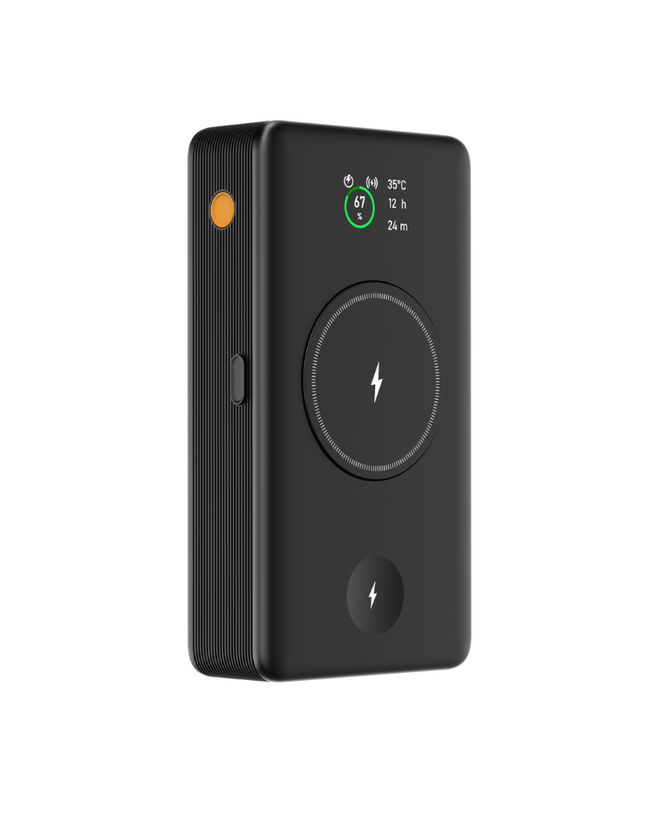
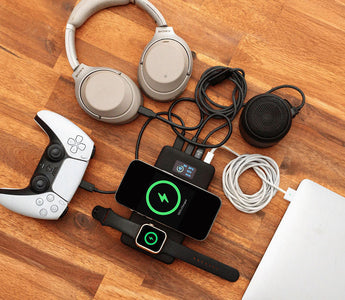
What sets the Flash Pro Ultra apart for emergency use specifically is its graphene battery technology. Unlike standard lithium-ion cells, graphene batteries maintain their capacity over hundreds of charge cycles and have a significantly lower self-discharge rate — meaning if you keep this charged on your desk and need it in an emergency three months later, it will still be near full capacity.
2. Chargeasap Flash Pro Plus — Best Value for Emergency Preparedness
Capacity: 25,000mAh | Max Output: 170W | Price: $169
The Flash Pro Plus delivers the same 25,000mAh graphene capacity as the Ultra at roughly half the price. It uses genuine Panasonic graphene battery cells — the same technology used in the Ultra — and provides 170W total output, which is more than enough to charge a MacBook Pro at full speed alongside a phone and tablet.
The Flash Pro Plus does not have Apple Watch charging or the same peak output as the Ultra, but for pure emergency preparedness use, it delivers everything most households need. The Panasonic graphene cells provide the same low self-discharge rate and long cycle life as the Ultra, making it equally reliable as a stored emergency device.
Best for: Individuals or couples, anyone who wants premium graphene technology at a more accessible price point.
What to Look for in Budget Options
If you are not ready to invest in a premium graphene power bank, here are the minimum specifications to look for in any power bank you plan to use for emergency purposes:
- Capacity: 20,000mAh minimum
- Output: At least 65W on the main USB-C port (to charge a laptop)
- Ports: At least 2 USB-C + 1 USB-A
- Brand: Stick to established brands with verifiable battery specifications — many budget power banks overstate their capacity significantly
Be cautious of any power bank claiming 20,000mAh+ capacity at under $30. Genuine high-capacity lithium cells are expensive, and budget products often deliver significantly less than their stated capacity.
How to Store a Power Bank for Emergency Use
A power bank is only useful in an emergency if it is charged when you need it. Here are the best practices for keeping your emergency power bank ready.
Keep it at 80% charge. Storing a lithium or graphene battery at 100% for extended periods can accelerate degradation. Most manufacturers recommend storing at 80% for long-term storage. Top it up to 100% when you know you will need it.
Charge it once a month. Even with a low self-discharge rate, a power bank stored for months without use will gradually lose charge. Set a monthly reminder to check and top up your emergency power bank.
Store it at room temperature. Extreme heat or cold degrades battery cells faster. A bedside drawer or home office desk is ideal — avoid storing in a car, garage, or anywhere that gets very hot or cold.
Keep the cables with it. An emergency power bank is useless if you cannot find the right cable in the dark. Keep a USB-C cable and any necessary adapters stored alongside the power bank so everything is ready to go.
Frequently Asked Questions
The Bottom Line
The best power bank for power outages is one that is large enough to matter, powerful enough to charge your laptop, and reliable enough to still be charged when you actually need it. For most households, the chargeasap Flash Pro Ultra or Flash Pro Plus ticks all three boxes — and the graphene battery technology means it will still be ready to go months after you last charged it.