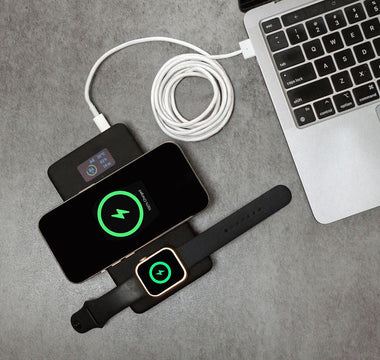
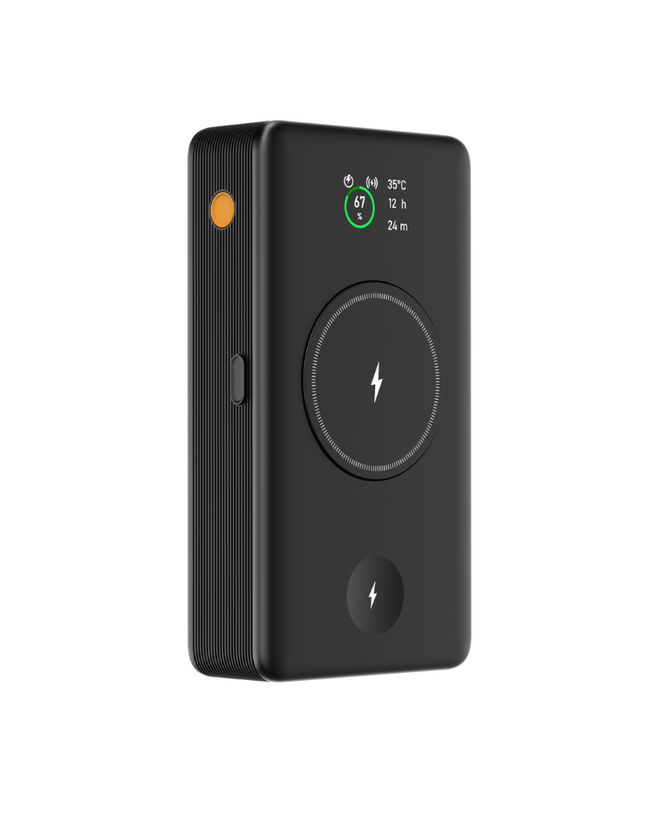
Ever pick up your MagSafe power bank and notice it feels unusually warm? It can be a bit concerning, especially when it happens during daily use or while you're out and about. We get how frustrating that can be, particularly in summer when everything feels a bit warmer already.
In busy cities like Sydney, heat and portable charging tend to go hand in hand this time of year. Whether it’s topping up your phone on the train or watching your tablet recharge at a café, batteries can build up warmth. Not all of it is dangerous, but knowing why it's happening helps protect your devices and gives you peace of mind. Let’s look at what causes the heat, when to worry, and what you can do to keep things under control.
What Causes Heat in Battery Packs
It’s totally normal for battery packs to warm up a little while they’re in use. This happens even more when you’re charging and discharging at the same time. The battery is working hard to move energy in or out, and that process naturally generates heat.
Some things increase it more than others. Fast charging especially pushes more energy through the same space in a short time, which means more warmth. Wireless charging adds another layer, as energy is transferred over a small gap using coils instead of cables, which isn't as efficient. That leftover energy turns into heat.
A bit of warmth is expected. But if the battery pack feels too hot to hold comfortably or if the charging suddenly slows way down, it might be doing more work than it should.
Wireless Charging Adds Extra Heat
MagSafe charging uses magnets to snap things into place and keep them aligned while energy passes between the charger and your phone. It’s very handy. But the way it works can sometimes cause the charger to get hotter than one with a regular plug.
Wireless charging uses internal coils that create a tiny electromagnetic field. Your device picks that up and changes it into power. That process isn’t perfect, and the lost energy becomes heat. Unlike a simple plug-in connection, there’s more going on underneath, which means more chances for warmth to build.
Another thing to keep in mind is that those MagSafe magnets are great at holding things steady, but not so great at letting heat move away. Because the back of your phone is stuck right up against the charger with no airflow, the extra heat can feel stronger and last longer.
Summer Heat and Hot Weather Use
Sydney summers can be intense, especially in February. If you're relying on your phone and MagSafe power bank while walking around or hopping from one air-conditioned spot to the next, it’s easy to forget how hot your gear can get.
Charging outdoors or near a sunny window adds heat from the environment to the power bank’s own warmth. If you're carrying everything in a crowded backpack without airflow, you might notice your charger heating up even faster.
A few habits can help reduce the risk:
• Keep power banks and devices out of direct sunlight when not in use
• Avoid leaving chargers in hot places like a parked car or zippered fabric pouch
• Give everything a break if it starts feeling too warm during charging
Even simple adjustments like resting gear on a shaded bench or cool table can help drop the temperature back to normal.
Signs of Overheating to Watch For
Some warmth is okay, but too much can cause trouble. If you're using your charger and something feels off, it’s smart to pause and check. Here are a few signs to look out for:
• The power bank’s case feels hot instead of just warm
• Charging slows down or stops even though all the cables are connected
• A blinking light or warning icon shows up on your device
If any of those things happen, it’s best to stop charging and move to a cooler spot. Let both the device and power bank rest. In most cases, they’ll return to normal once they’ve cooled down.
But if it keeps happening or the charger gets hot even when you’re not using it heavily, it could be a sign of a bigger issue. That’s when it’s worth checking in with the maker for next steps or a proper look.
Why Having the Right Gear Helps
Not all power banks are built the same. Some are made with thicker materials or include features that help push heat away instead of trapping it inside. Others are set up with smart controls that spread out charging or pause when things get too warm.
The design makes a big difference. Flat, tight cases don’t allow as much breathing room. Meanwhile, solid metal exteriors or smart venting shapes can pull heat away from the inside and cool things down faster.
Choosing a charger that’s built to deal with real-world use, especially wireless charging on the go, gives your gear a better shot at lasting longer and staying safe in warm conditions.
Keep Your Devices Charging Safely
MagSafe charging is super convenient, but it can come with a little extra heat, especially on long summer days around Sydney. As long as you know what to expect and how to handle the warmth, there's no need for stress.
A few good habits go a long way. Give your devices some shade, pack them smart, and keep an eye out for anything that feels too hot. A little warmth is normal. But when you’re charging in the car, on a walk, or sitting outside with your phone, it helps to know what’s regular and what’s not.
By using gear built with careful design and making small changes to your routine, you can keep things running smoothly and avoid unwanted surprises down the road.
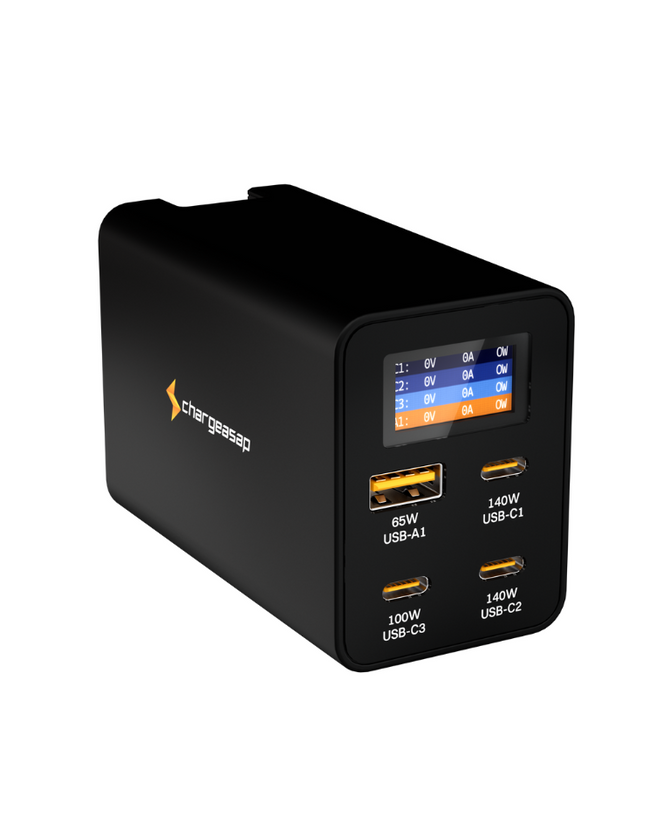
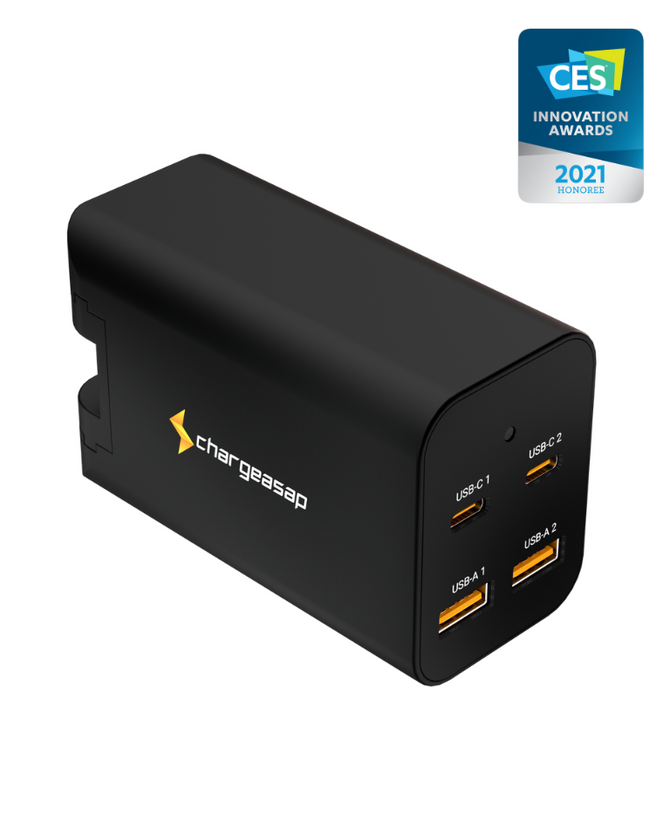
At Chargeasap, we know that keeping an eye on charging temperatures in warm weather is key to staying worry-free. Our tech is built to handle Sydney's summer heat, so your devices work reliably wherever you are. We offer a range of MagSafe power bank options that balance smart design with everyday use, ensuring you can charge confidently. Contact us if you need help choosing the ideal fit.